To keep a outdoormural durable for years, especially in wet or extreme weather conditions, I recommend using a high-quality decorative varnish for outdoor works. A properly selected varnish adds a protective layer that improves resistance to moisture, UV exposure, and surface abrasion.
For outdoor murals in particular, I also apply an anti-graffiti coating. This not only discourages vandalism, but allows unwanted markings to be removed without damaging the artwork underneath. In environments with strong sunlight, high humidity, or air pollution, this additional layer becomes essential for maintaining colour stability and surface integrity.
Beyond surface coatings, longevity starts before the first brushstroke. I always assess the wall itself: its material, porosity, existing paint layers, moisture presence, cracks, and potential structural movement. If the substrate is unstable, no coating can compensate for it. Necessary repairs, sealing, or priming must be addressed in advance to ensure proper adhesion and long-term performance.
In short, mural longevity is not determined by a single product, but by a combination of material choices, surface preparation, protective coatings, and environmental awareness. When these factors align, an outdoor mural can remain visually strong for many years, sometimes decades, with only minimal maintenance.
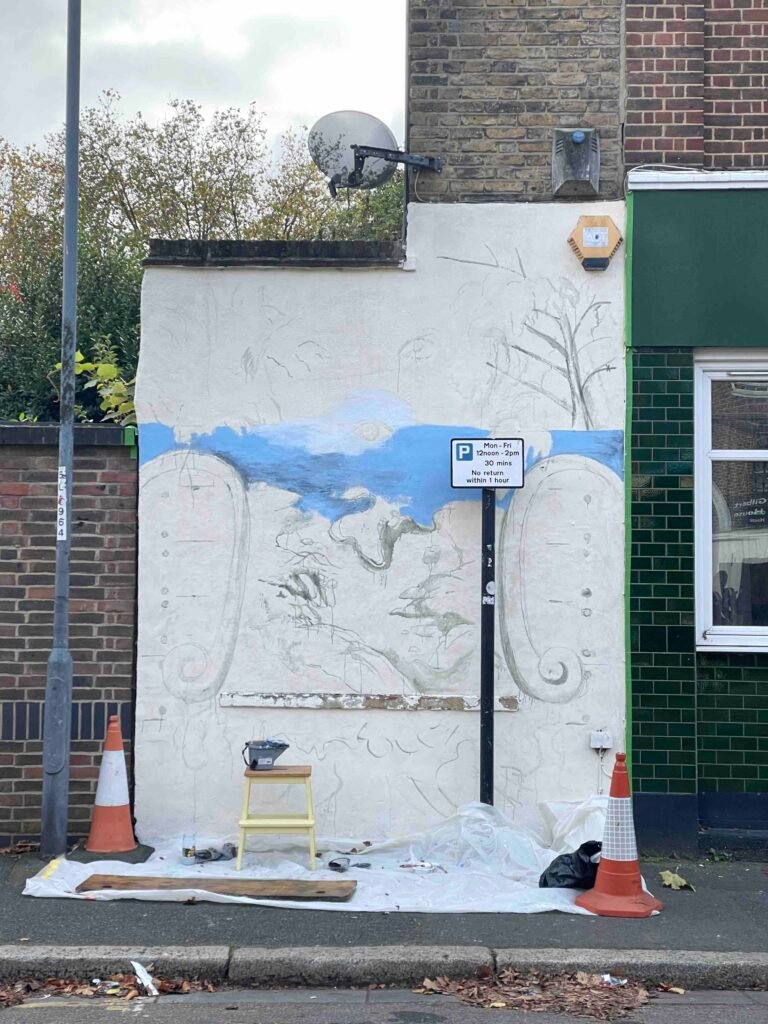
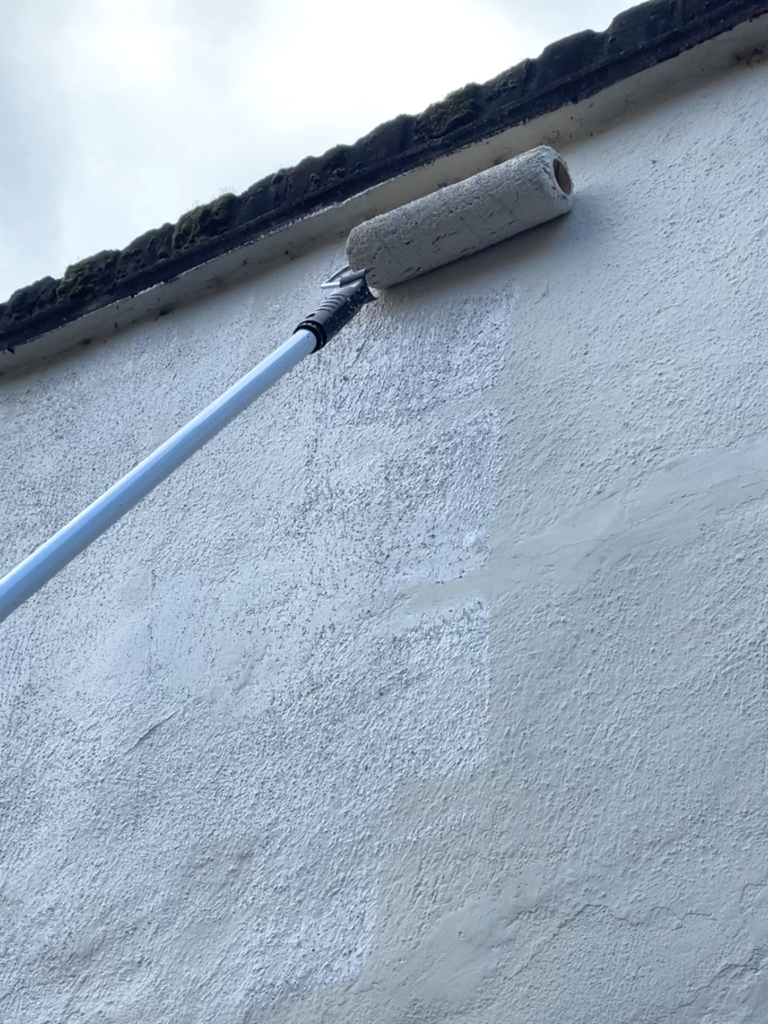
A good example of this approach is my mural for the McMillan Educational Herb Garden. Before painting, I assessed the condition of the wall and surrounding environment to identify any structural or surface issues. After preparation, I applied a coating mixed with sand to create a stable, textured base that improves adhesion and adds visual depth. Once the artwork was completed, I sealed the surface with varnish and finished with an anti-graffiti coating to provide long-term protection against weathering, UV exposure, and everyday wear. This layered process ensures that the mural is not only visually integrated into the space, but also constructed to last.